

Eye care practice insurance
Coverage for the practice
behind every clear answer
An eye care practice brings clinical judgment, specialized imaging, connected systems, an optical operation, and a full patient schedule into the same day. We learn how the practice moves from exam to diagnosis, treatment, referral, and eyewear, then build around what would be hardest to keep moving.
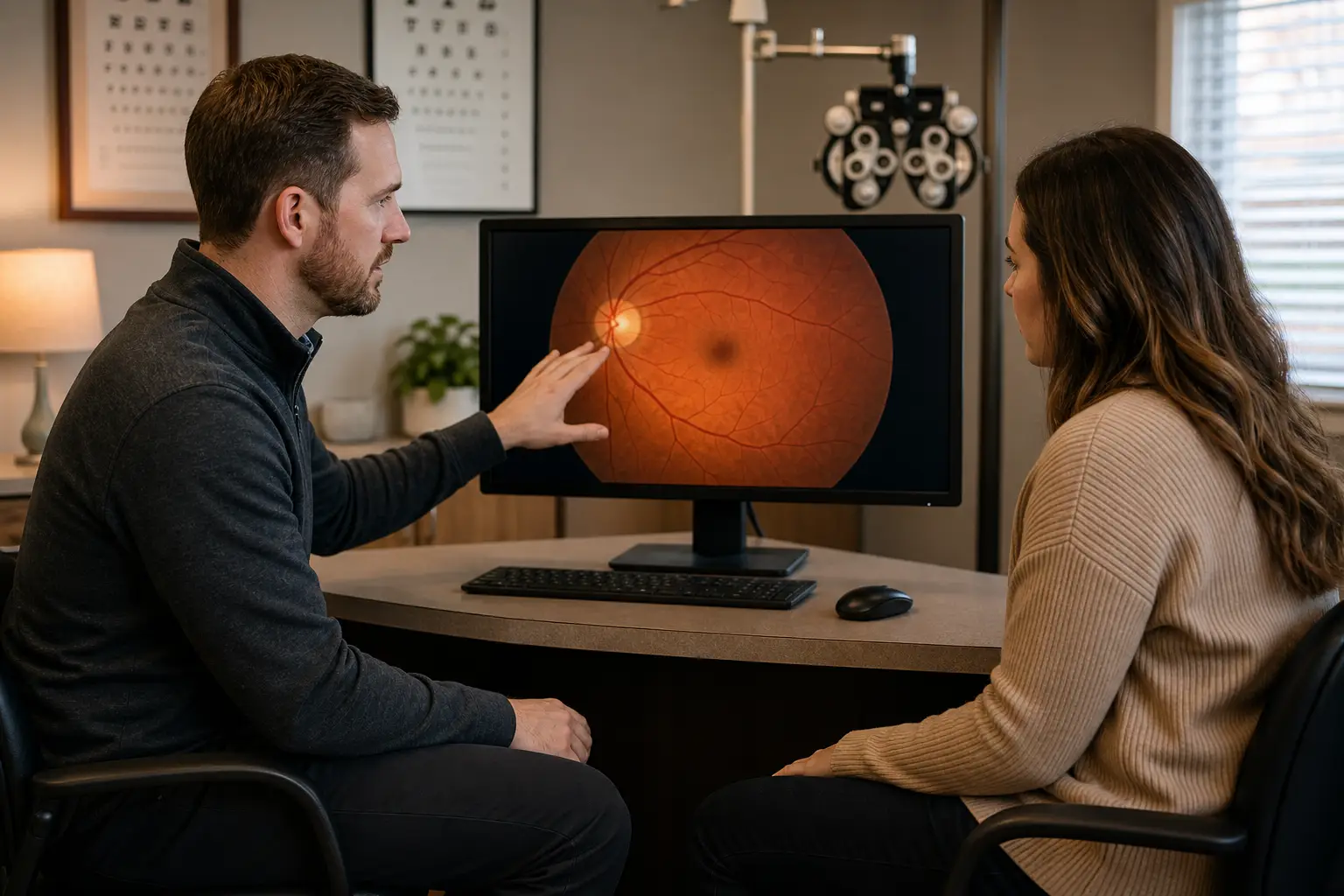
Inside the eye care office
What can interrupt an eye care practice?
Patient care depends on the doctor, the team, diagnostic equipment, connected records, and often an optical dispensary. When one part stops, the effect can reach the schedule and the patients who still need answers.
- 01
Clinical decisions and patient care
An eye exam can lead to a prescription, referral, disease management, injection, laser procedure, or surgical follow-up. The plan should reflect what the doctors actually diagnose and treat, with procedural responsibilities included only where they apply.
- 02
Diagnostic and treatment equipment
OCTs, retinal cameras, visual field analyzers, lasers, and exam lanes are central to the schedule. Damage or a network problem can make useful equipment unavailable even when it still powers on.
- 03
Frames, lenses, and optical inventory
A dispensary adds inventory, customer property, lab relationships, and another part of the patient experience. We want to know what is stocked, what is ordered, and who is responsible when something goes wrong.
- 04
Patient records and connected systems
Scheduling, pretesting, imaging, charting, billing, and lens orders may all depend on connected software. One outage can reach the front desk, every exam lane, and the optical floor.
- 05
The team and the office
Doctors, technicians, opticians, and front-office staff move patients through the same space. Everyday injuries, employment issues, and a damaged office can affect the entire practice at once.
- 06
Time away from the schedule
A closure does more than cancel appointments. Patients may need monitoring, referrals may move elsewhere, orders can stall, and the team still needs a workable path back to normal.
What we need to understand
What should an advisor know about your eye care practice?
The words “eye care practice” do not tell us whether you provide primary vision care, manage disease, perform procedures, run an optical dispensary, use tele-optometry, or depend on networked imaging in every exam. Those details are what make the plan fit.
Six details that show us how the practice really works.
- 01
The eye care model
Primary vision care, medical optometry, an optical dispensary, ophthalmology, office procedures, and surgical follow-up create different workflows. We start with what happens in the practice today instead of treating every eye care office alike.
- 02
Everyone delivering care
Owners, associates, locums, technicians, and separate professional entities may share patients and space. The structure should follow who provides care and where their responsibility begins.
- 03
How equipment connects
A device may depend on a server, cloud platform, local network, or proprietary software. Replacement cost matters, but so does whether the practice can use the equipment after a system failure.
- 04
What belongs to the optical side
Frames, finished eyewear, patient property, lab work, and retail receipts can be handled differently from clinical equipment. The review should not treat the dispensary like waiting-room furniture.
- 05
How referrals and follow-up work
Delayed diagnosis, a missed follow-up, or a referral that never closes can become more important than the original visit. We want to understand how patients move through the practice after the exam.
- 06
How remote care is used
Tele-optometry can change where the patient is examined, how identity and consent are confirmed, which records are created, when an in-person exam is required, and how follow-up or emergency care is arranged.
Eye care practice insurance questions
What insurance does an eye care practice need?
An eye care practice needs a plan for its clinical work and the office that supports it. That includes malpractice allegations, diagnostic equipment, patient records, optical inventory, staff injuries, ordinary accidents, and time lost after a shutdown. The right mix follows the services, technology, team, and locations of the practice.
Do optometrists and ophthalmologists need malpractice insurance?
Malpractice insurance addresses claims that professional eye care caused harm or failed to identify a problem. The details should match who provides care, which services and procedures are performed, and how referrals and follow-up are handled. Prior work and separate professional entities also deserve attention when a doctor joins or leaves.
Why does eye care equipment need special attention?
Eye care equipment is expensive, specialized, and often connected to other systems. An OCT or retinal camera may need installation, calibration, software, and vendor support before it returns to service. A review should consider replacement cost and the appointments, referrals, and patient monitoring affected while the device is unavailable.
Does an eye care practice need cyber insurance?
It deserves serious consideration because scheduling, imaging, charting, billing, and optical orders can depend on connected systems. A cyber event can interrupt patient care and expose protected information at the same time. Useful coverage provides technical, legal, and communication help while the practice works toward a safe return.
Does tele-optometry change an Oklahoma eye care practice’s responsibilities?
Yes. Tele-optometry can affect where the patient is located, how identity and consent are confirmed, which records are maintained, when an in-person comprehensive examination is required, and how follow-up or emergency care is arranged. The practice should describe its actual remote-care workflow rather than treating telehealth as ordinary video calling.
Let’s understand how the practice delivers care.
Tell us about the doctors, equipment, optical operation, and systems the schedule depends on. We will build from there.