

Ambulatory surgery center insurance
Coverage for every room
that has to be ready
An ambulatory surgery center brings clinical judgment, anesthesia, specialized equipment, infection control, staffing, and facility readiness into one tightly coordinated day. We learn how the center moves a patient from admission through discharge and what could stop that process before we recommend anything.
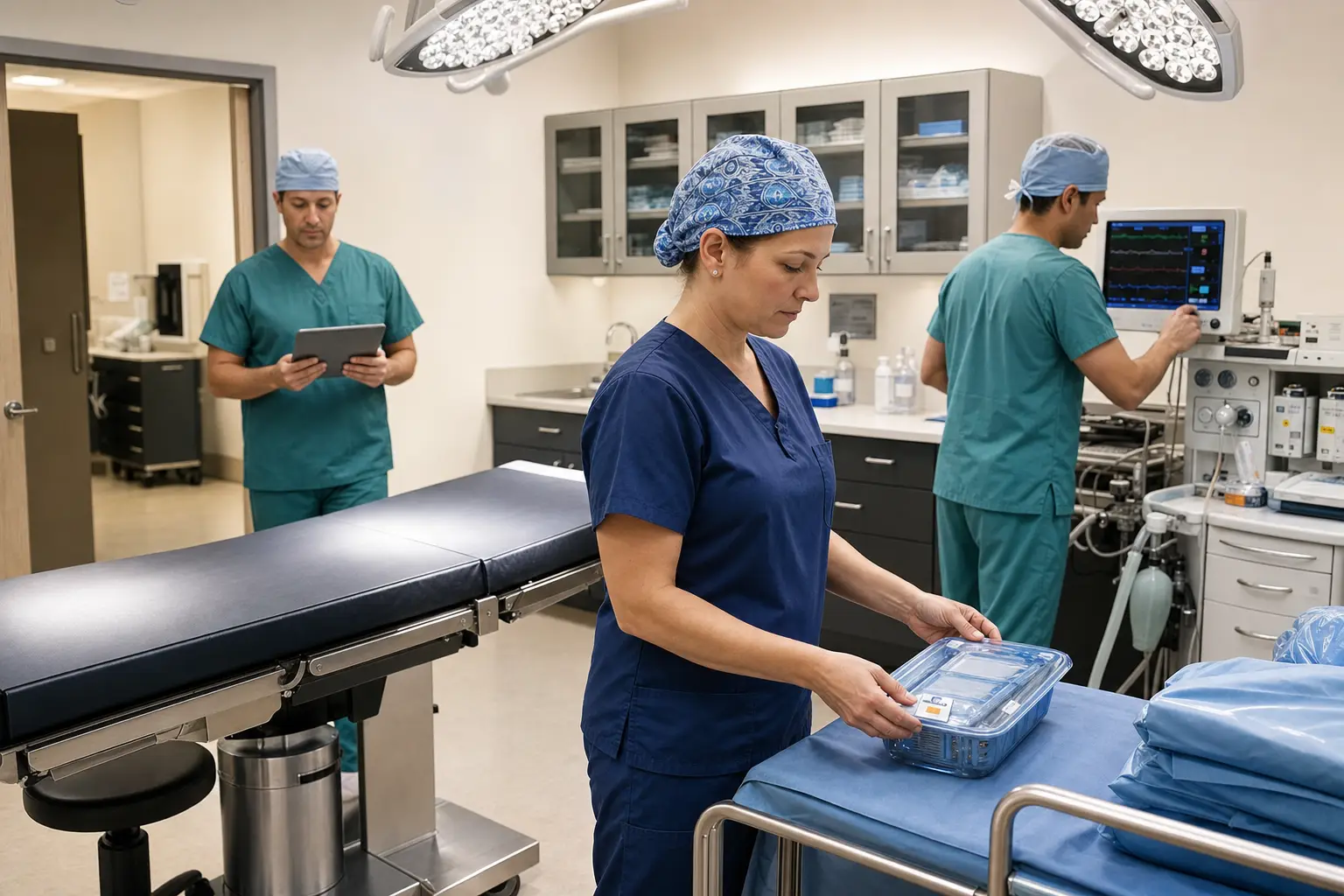
Inside the ASC
What can stop a surgical day?
Patient care depends on the facility, equipment, utilities, sterile processing, clinicians, technology, and a schedule that coordinates all of them. A breakdown in one place can cancel work across the center.
- 01
Medical malpractice
A claim may involve the procedure, anesthesia, patient selection, consent, monitoring, discharge, follow-up, or a clinician working inside the center. The structure has to reflect the full care team.
- 02
The facility and clinical buildout
Procedure rooms, recovery bays, medical gas, electrical work, sterile areas, and tenant improvements are expensive to recreate and closely tied to how the center is approved to operate.
- 03
Equipment and utility failure
An anesthesia machine, sterilizer, imaging system, HVAC component, or power problem can cancel a day even when the building itself appears undamaged.
- 04
Cyber and patient systems
Scheduling, records, billing, connected devices, and vendor access create several ways for technology to interrupt care. The first need is often a capable response team.
- 05
Infection control and medication management
Sterile processing, environmental cleaning, medication practices, supplies, water, and airflow all affect readiness. A breakdown can stop procedures and trigger review even when no property damage is visible.
- 06
Lost surgical days
A cancelled day affects patients, surgeons, anesthesia, staff, supplies, and future scheduling. The cost of interruption is more than the revenue from one procedure.
What we need to understand
What should an advisor know about your surgery center?
The ASC label does not explain the facility’s certification, procedures, governing body, accreditation, ownership, anesthesia arrangements, clinician contracts, or quality program. Those are the details that shape the plan.
Six details that show us how the center really operates.
- 01
ASC or office-based surgical suite
A certified ambulatory surgery center is a distinct facility with its own conditions, surveys, and operating responsibilities. We start by understanding what the facility is, how it is licensed or certified, and which standards govern it.
- 02
Procedures and patient selection
The specialty mix, procedure complexity, age and health of patients, anesthesia, expected recovery, and discharge criteria all shape how the center operates and where complications may arise.
- 03
Governing body, accreditation, and quality
The governing body, accreditation or certification status, survey history, and quality assessment and performance improvement work show how the ASC oversees care and responds when the process needs correction.
- 04
Ownership, credentialing, and contracts
The facility, physician owners, management company, anesthesia group, property owner, and credentialed clinicians may all be different entities. Their responsibilities and agreements should line up with the coverage.
- 05
Emergency and transfer readiness
A complication can require stabilization, emergency equipment, communication, and transfer. We want to understand the center’s hospital arrangements, transfer process, staff preparation, and documentation rather than relying on a policy that only exists on paper.
- 06
How long the center can be offline
Specialized repairs, inspections, equipment delivery, and approval to reopen may take longer than the physical fix. Recovery planning should account for the full timeline.
Surgery center insurance questions
What insurance does an ambulatory surgery center need?
An ambulatory surgery center needs a plan for clinical care, the licensed facility, specialized equipment, patient information, employees, contracted clinicians, and lost surgical days. That can involve malpractice, property, equipment breakdown, cyber, workers compensation, liability, and interruption coverage, but the structure should begin with how the ASC actually operates.
Who should be covered by a surgery center’s malpractice insurance?
That depends on the center’s ownership, employment, credentialing, and contracts. The ASC, physician owners, employed clinicians, anesthesia providers, and independent groups may not share the same policy or responsibility. The named entities and provider schedules should match the people delivering care and the agreements governing their work.
Why is equipment breakdown important for an ASC?
An ASC can lose surgical capacity when an anesthesia machine, sterilizer, HVAC component, electrical system, or other critical equipment fails without a traditional fire or storm loss. Repairs are only part of the disruption. Testing, replacement, inspection, and rescheduling can extend the time before the room is usable again.
How is an ambulatory surgery center different from an office-based surgical suite?
An ambulatory surgery center is a distinct entity that operates specifically to provide surgical services and may be subject to separate state licensing, Medicare certification, accreditation, surveys, and facility standards. An office-based suite operates within a medical practice. The distinction affects oversight, contracts, staffing, emergency planning, and the insurance structure.
Why do accreditation and quality programs matter in an ASC review?
Accreditation, certification, survey findings, and the ASC’s quality assessment and performance improvement program show how the center governs patient care. They can reveal responsibilities involving infection control, medication management, patient rights, clinical records, staff competency, adverse events, and corrective action that a generic medical-office description would miss.
When should a surgery center review its insurance?
Review it before renewal and whenever the ASC adds a procedure, specialty, physician owner, anesthesia arrangement, major device, location, management agreement, or construction project. Those changes can reach several parts of the program at once. Starting early gives the center time to correct the structure before the calendar becomes the decision-maker.
Let’s understand the surgical day from beginning to end.
Tell us how patients move through the center, who delivers care, and what every room depends on. We will build from there.