

Chiropractic practice insurance
Coverage for hands-on care
and the clinic around it
A chiropractic practice is built around clinical judgment, physical care, repeat visits, and a schedule that depends heavily on the people and equipment in the room. We learn how the clinic treats patients and what could interrupt that work, then build around the details that matter.
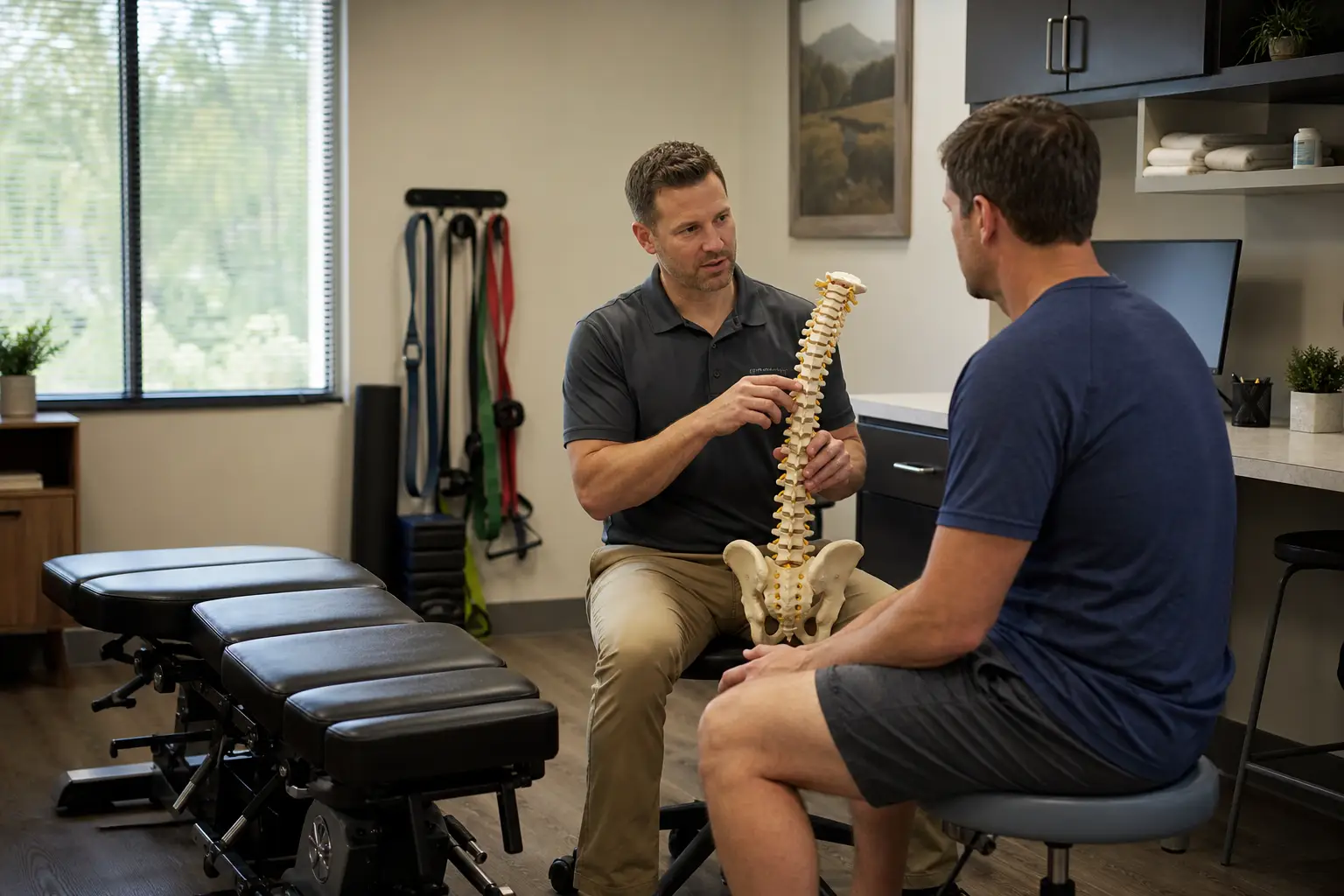
Inside the clinic
What can interrupt a chiropractic practice?
The clinical work, the treatment room, patient movement, records, products, staff, and daily schedule all depend on one another. A good plan begins with those connections instead of treating the office like a generic storefront.
- 01
Chiropractic malpractice
A patient may question an evaluation, adjustment, treatment plan, referral, documentation, or result. The coverage should reflect the techniques used, the care provided, and how the chiropractor responds when a finding calls for another kind of care.
- 02
The treatment room and equipment
Adjustment tables, imaging, rehabilitation equipment, tenant improvements, and office systems all support the work. Damage to one key item can take part of the schedule with it.
- 03
Ordinary accidents in the clinic
Patients move through treatment rooms, use equipment, and may already have limited mobility. A fall or damaged property can create a problem unrelated to clinical judgment.
- 04
Patient records and cyber events
Scheduling, billing, imaging, notes, and payment information often live across several systems. A locked account or exposed record can interrupt the clinic immediately.
- 05
Injuries involving the team
Hands-on care, repeated movements, lifting, and awkward postures can take a toll on chiropractors and staff. An injury can affect both the person and the clinic’s capacity.
- 06
Time away from appointments
A damaged room, failed table, or unavailable system can force a full schedule to move. The clinic still has payroll, rent, and patients looking for continuity.
What we need to understand
What should an advisor know about your chiropractic clinic?
Two chiropractic clinics can use the same name for very different work. Techniques, documentation, referral protocols, contractors, equipment, and off-site care tell us far more than the sign on the building.
Six details that show us how the clinic really works.
- 01
Techniques and services
Manual adjustments, instrument-assisted work, rehabilitation, massage, imaging, and other services create different clinical and operational details. The practice description should be specific.
- 02
Documentation and informed consent
The chart should connect the patient’s complaint, objective findings, medical necessity, treatment plan, consent, and response to care. That record matters to the clinical relationship, reimbursement, and the response to a later allegation.
- 03
Everyone treating patients
Owners, associates, contractors, massage therapists, and rehabilitation staff may work under one roof. The arrangement should match how each person is connected to the clinic.
- 04
When referral is the next step
Some histories, symptoms, or findings call for imaging, medical evaluation, or another specialist rather than another adjustment. We want to understand how the clinic recognizes, documents, and closes that handoff.
- 05
Equipment the schedule depends on
A specialized table or imaging system may take time to repair, replace, deliver, and install. The recovery plan should account for more than the invoice.
- 06
Care outside the main office
Mobile events, sports coverage, home visits, and work at another clinic can change where care happens. Those locations should not be discovered after a claim.
Chiropractic insurance questions
Do chiropractors need malpractice insurance?
Chiropractors should consider malpractice insurance because a claim can question an evaluation, adjustment, treatment plan, referral decision, documentation, or clinical result. The right setup depends on the techniques used, services offered, clinicians involved, and locations where care is delivered rather than on the chiropractic license alone.
What insurance does a chiropractic office usually need?
A chiropractic office needs a plan for both hands-on care and the clinic around it. That can include malpractice claims, patient falls, damaged adjustment tables or imaging equipment, cyber events, employee injuries, products sold to patients, and a closure that interrupts appointments. The mix should follow the actual practice.
Are independent contractor chiropractors automatically covered?
Not necessarily. A contractor may carry an individual policy while the clinic has separate coverage, and neither should be assumed to protect the other. The agreement, named insureds, services, billing arrangement, and policy language all matter. Confirm the setup before the chiropractor begins treating patients under the practice name.
Does chiropractic equipment need special coverage?
It deserves a close look when the clinic depends on specialized tables, imaging, rehabilitation equipment, or other systems that are expensive or slow to replace. The important number is not only the purchase price. Delivery, installation, calibration, repairs, and missed appointments can make the disruption much larger.
Let’s understand the care before we recommend anything.
Tell us how you treat patients, who works beside you, and what the schedule depends on. We will build from there.